Treatments
Care that fits the animal in front of me
Every session starts with your animal, not a set routine. These are the tools I use most, combined into a plan that suits their body, their history and your day-to-day life.
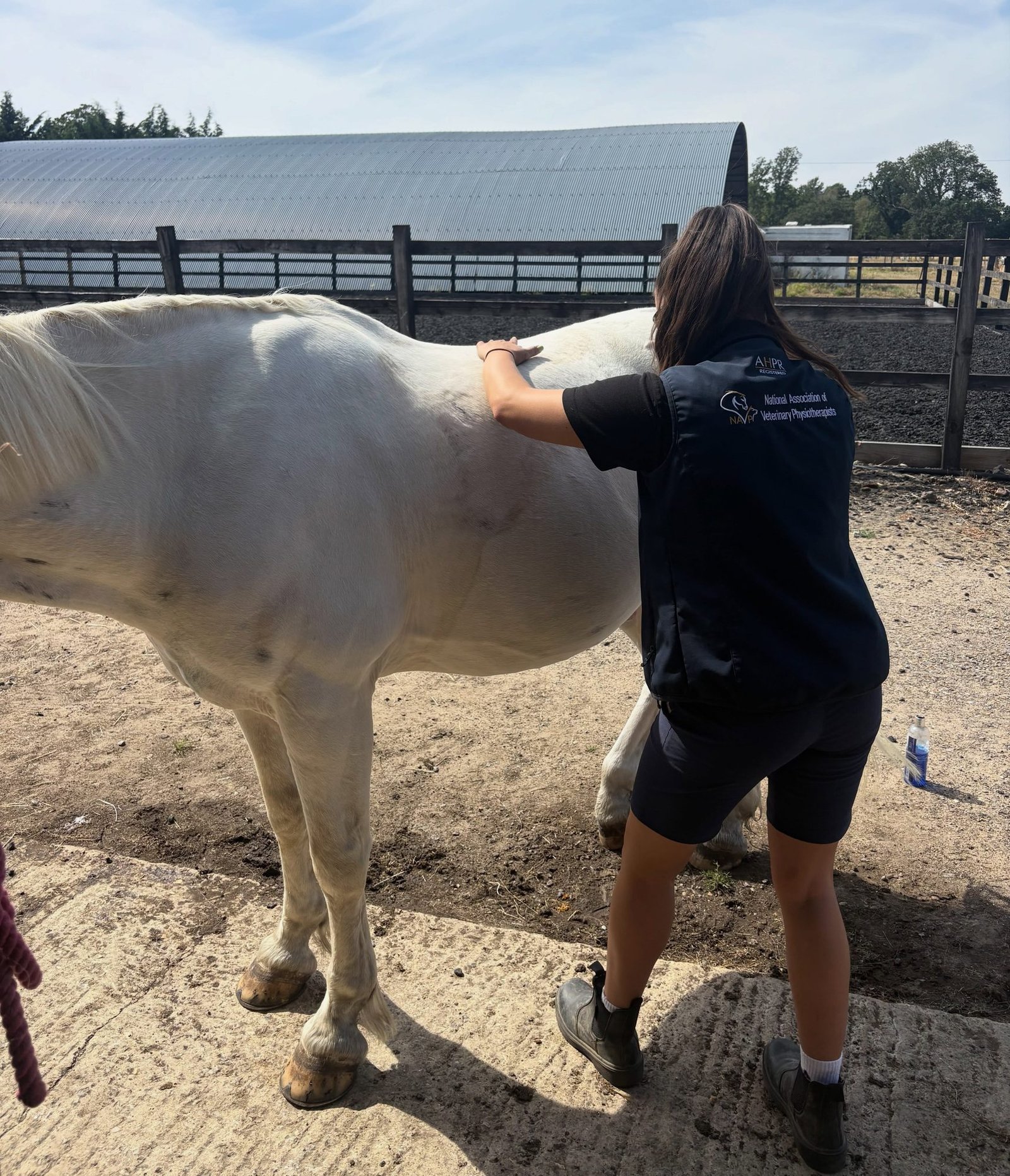
Assessment and treatment plan
Horses, dogs, cats and small animals
Every first appointment starts with a full assessment: your animal’s history and vet notes, how they stand and move, and a careful check of muscles, joints and range of motion. Then I treat, talk you through what I found, and leave you with a plan that fits your routine.
Often helps with
- New stiffness or lameness
- Slowing down with age
- Changes in behaviour or performance
Laser therapy (PBMT)
Dogs, cats, horses
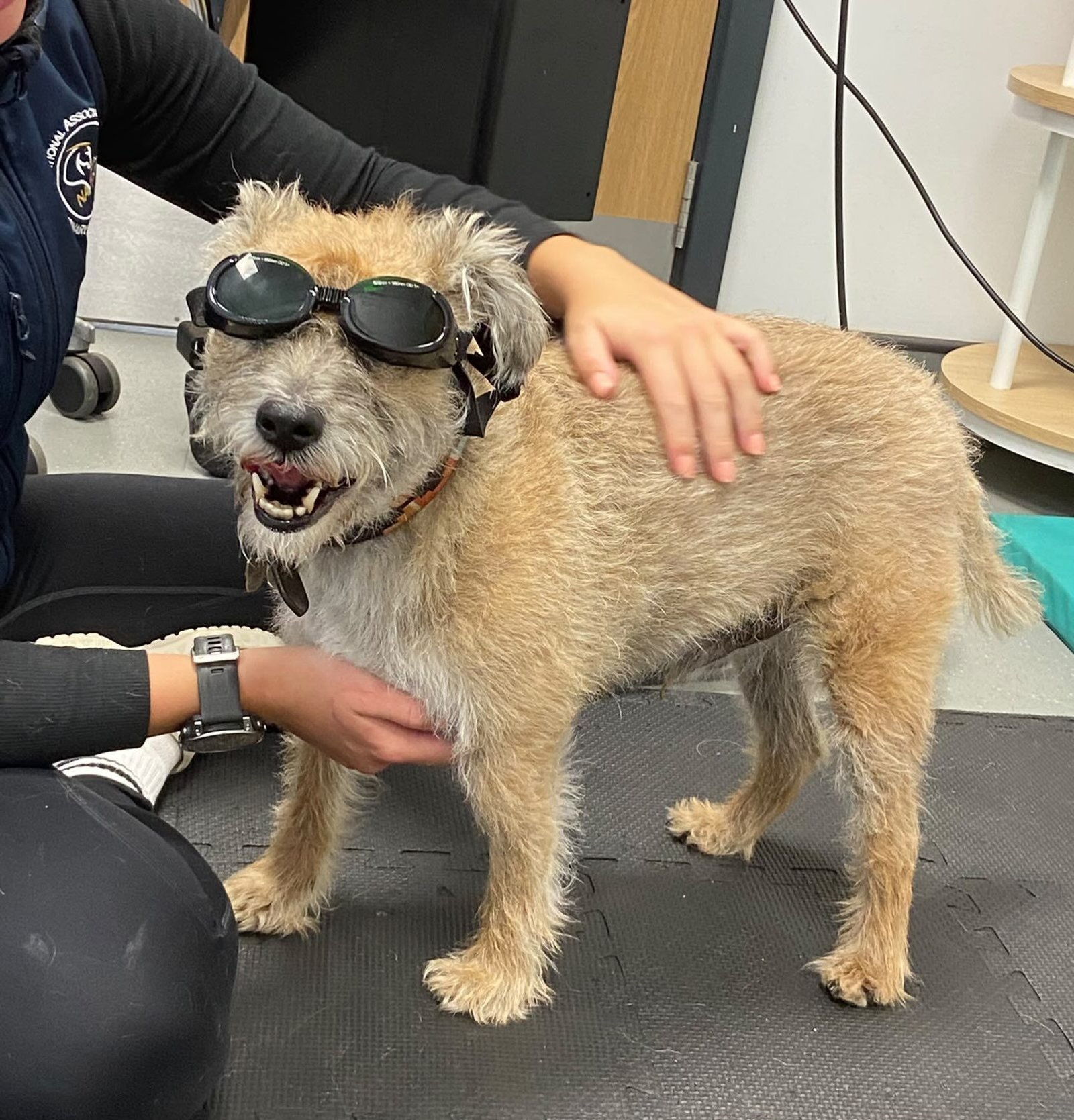
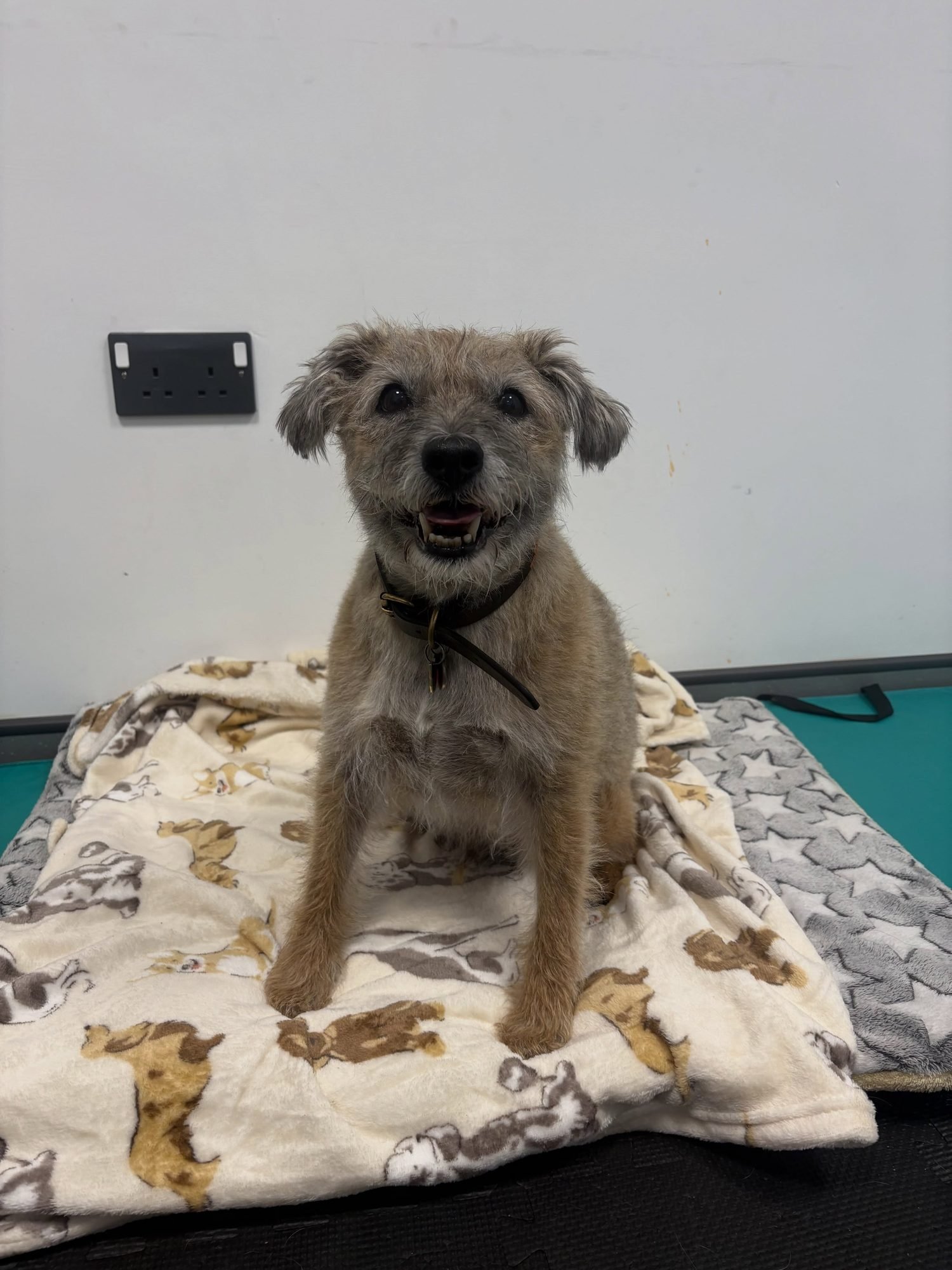
Laser therapy is properly called photobiomodulation therapy, or PBMT. Photo means light, bio means living tissue, and modulation means influencing how cells work. Specific wavelengths of light interact with the cells in the body to support the processes involved in healing and recovery.
It is not a magic wand, but it is a really useful addition to a wider rehabilitation plan, alongside hands-on therapy and targeted exercises. Dogs wear protective goggles during treatment, which most of them wear very well.
Often helps with
- Pain relief
- Inflammation
- Tissue healing
- Arthritis
PEMF therapy
Dogs, cats, horses
Pulsed electromagnetic field therapy (PEMF) uses gentle magnetic pulses to support comfort and help settle the persistent nerve signalling that comes with long-term pain and stiffness. It is painless, quiet and usually very relaxing for the patient.
Often helps with
- Arthritis
- Chronic pain
- Stiffness
Massage, heat and manual therapy
Horses, dogs, cats
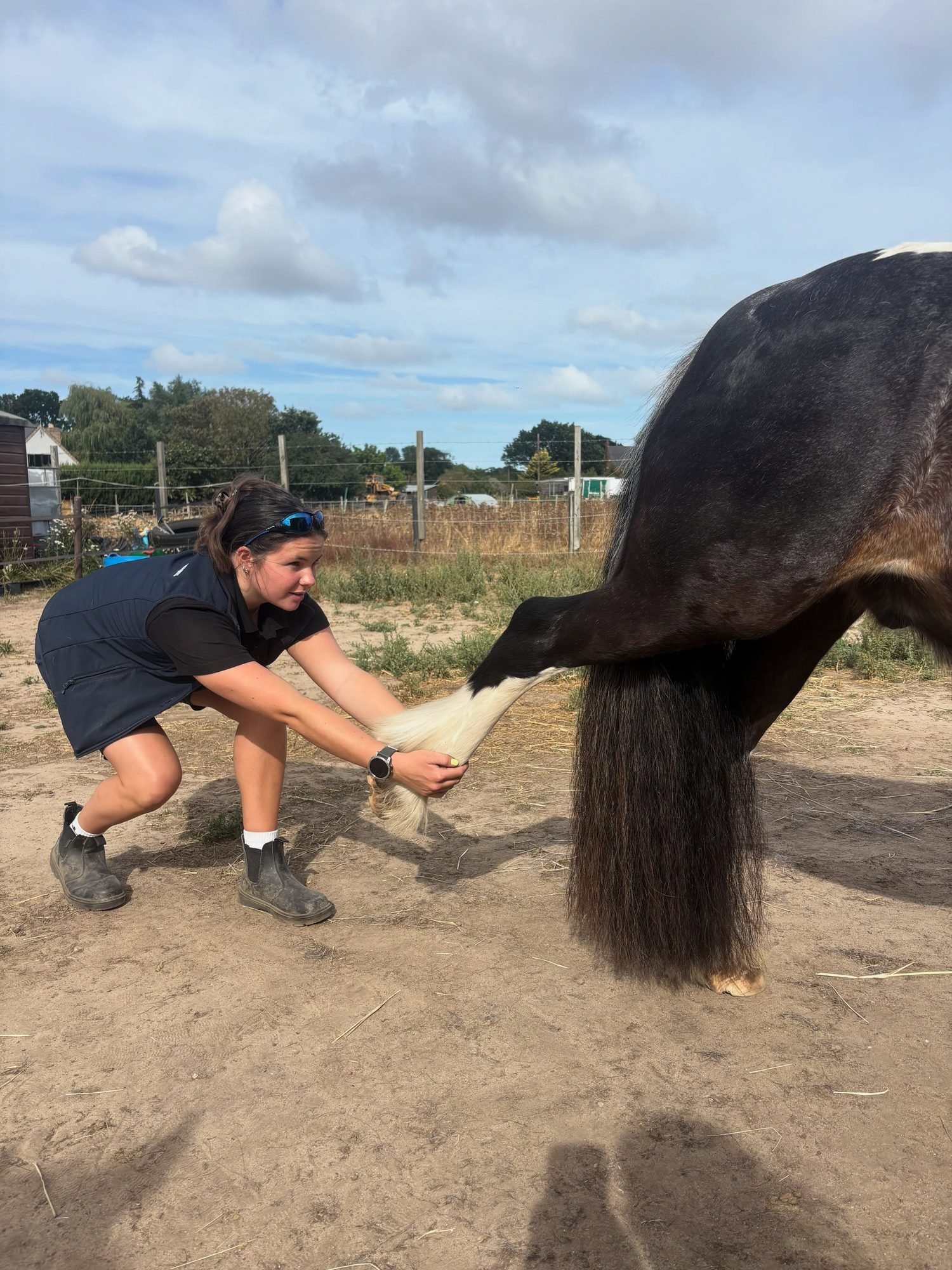
Heat and massage soothe tight, overcompensating muscles while encouraging circulation and blood flow. Combined with gentle stretches and passive range of motion, hands-on therapy helps your animal relax into treatment and move more freely afterwards.
Often helps with
- Muscle tension
- Compensation
- Performance and sports horses
Exercise therapy and home plans
Dogs, horses, small animals
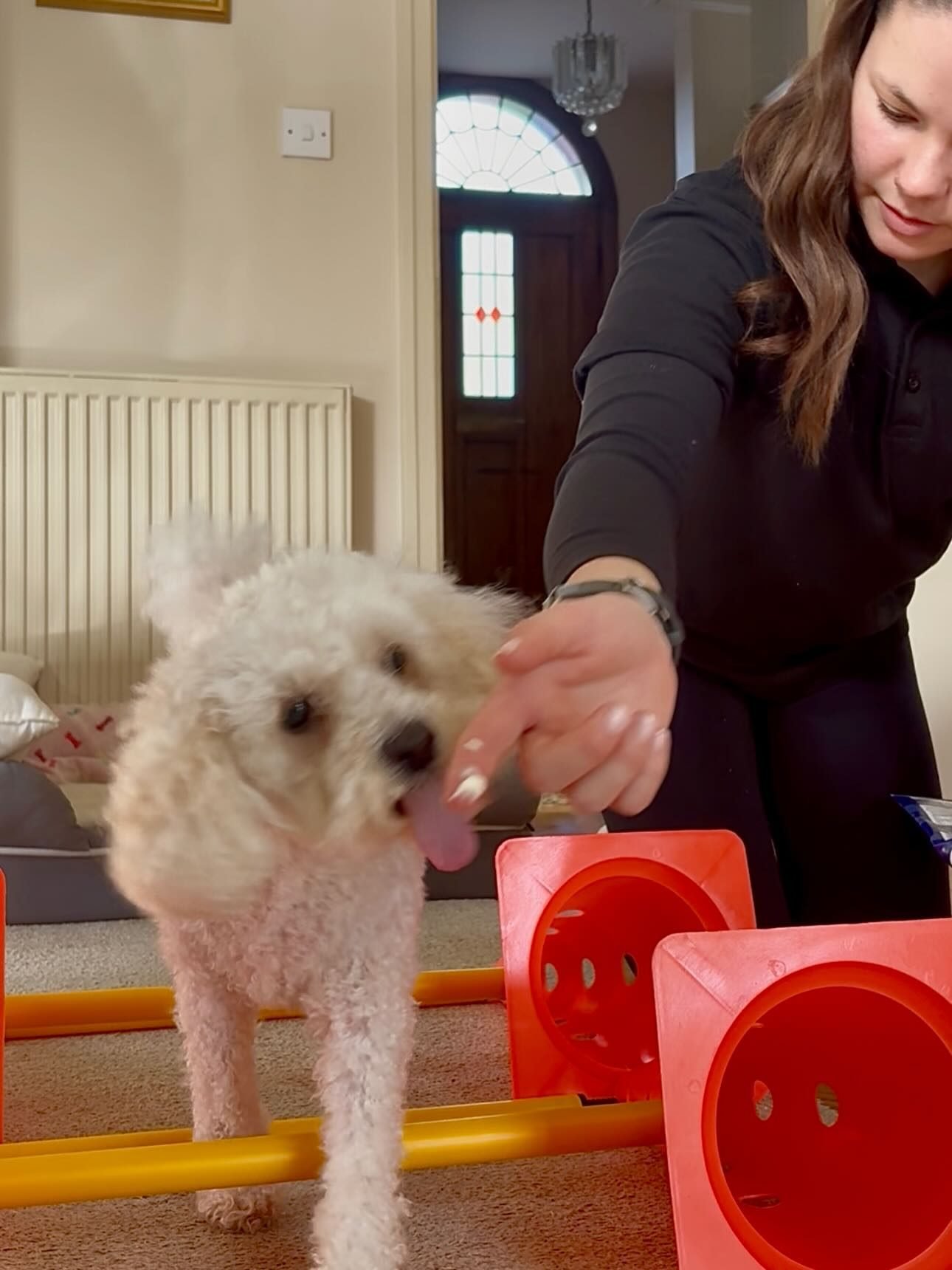
Exercise therapy builds strength, balance and body awareness: weight shifting, pole work, slow lead walking and carefully chosen games. Owners often tell me their animals think the exercises are fun.
You get your home plan by email, clearly laid out and simple to follow, and it changes as your animal progresses so there is always a small new challenge ahead.
Often helps with
- Muscle wastage
- Weakness
- Older animals
- Balance and coordination
Rehabilitation after surgery or injury
Dogs, horses, cats
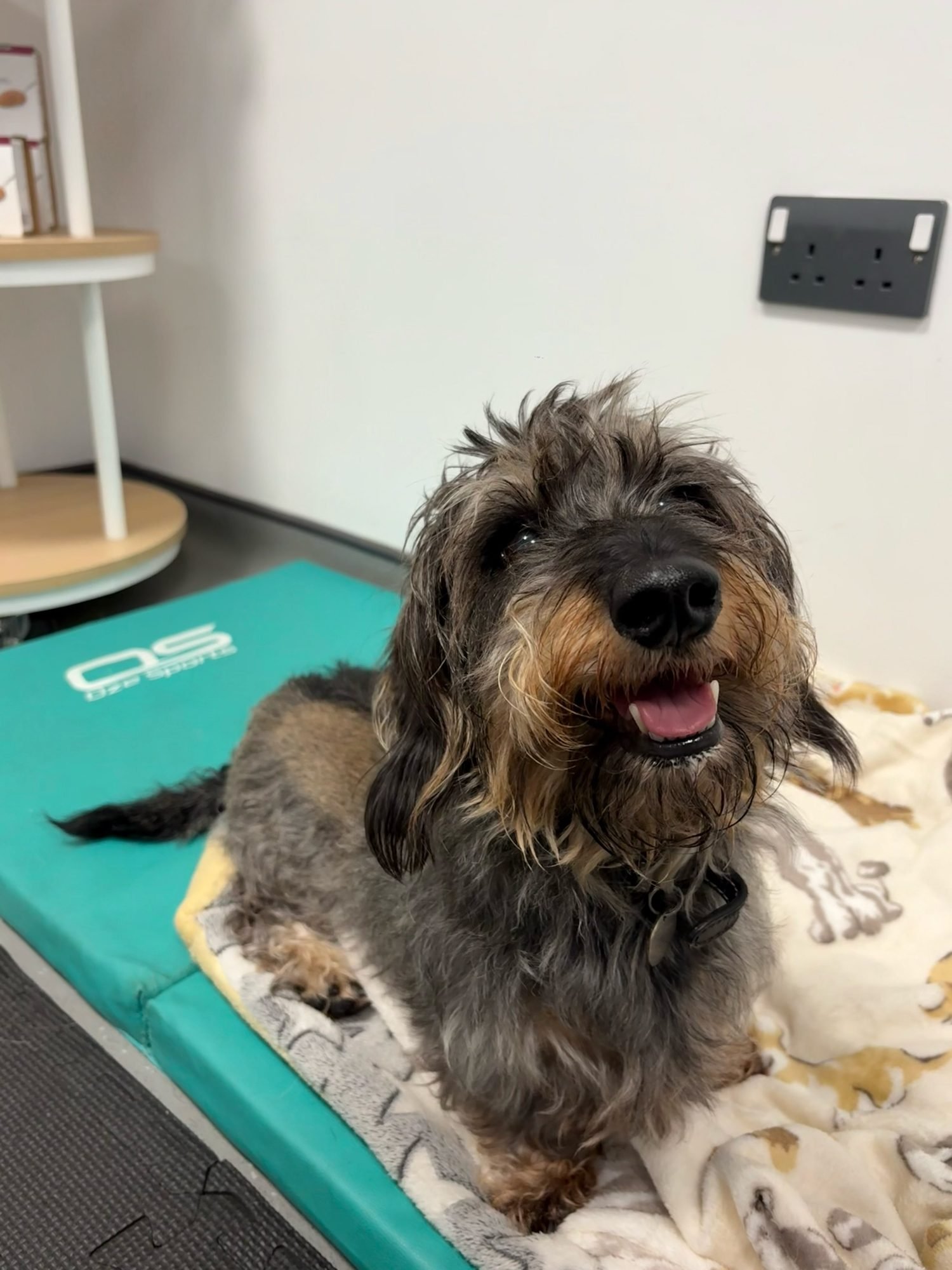
After orthopaedic or spinal surgery, an injury or a new diagnosis, a structured rehabilitation plan helps your animal regain strength, stability and confidence at the right pace. I work alongside your vet and any referral centre, and keep them updated as your animal progresses.
Often helps with
- IVDD
- Elbow and cruciate surgery
- Hip dysplasia
- Soft tissue injury
Who I help
From the biggest to the smallest
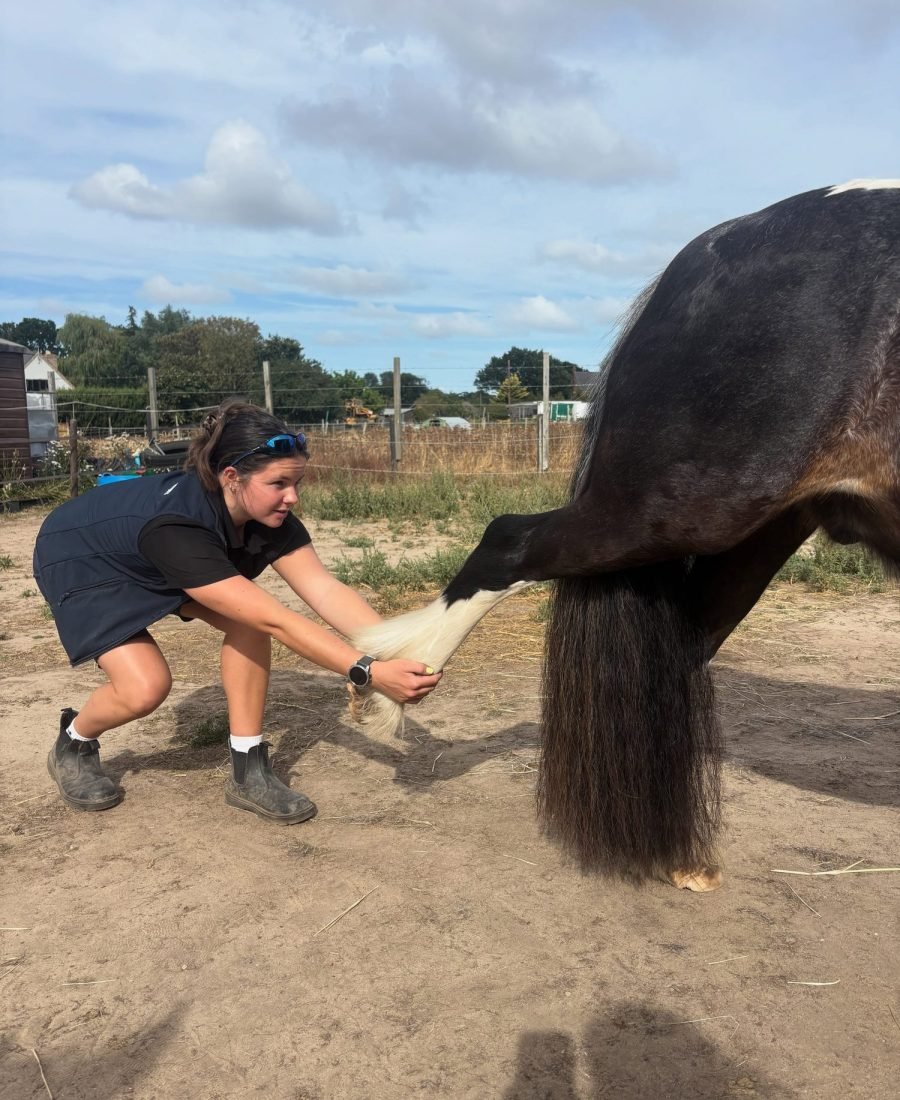
Horses and ponies
Performance and leisure horses, veterans and youngsters. Stiffness, back and saddle-area tension, rehab after injury, and keeping older horses comfortable.
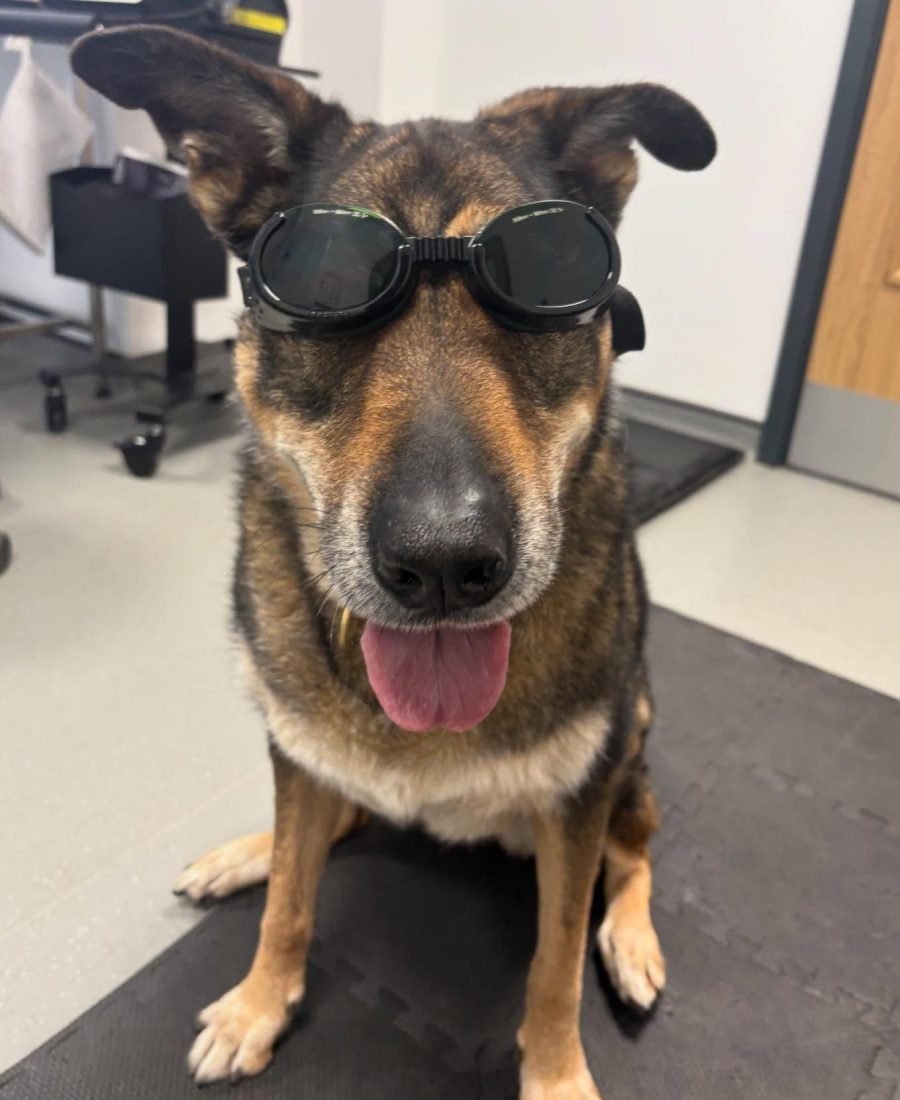
Dogs
Arthritis and older dogs, recovery after orthopaedic or spinal surgery, hip and elbow dysplasia, and sporting or working dogs.
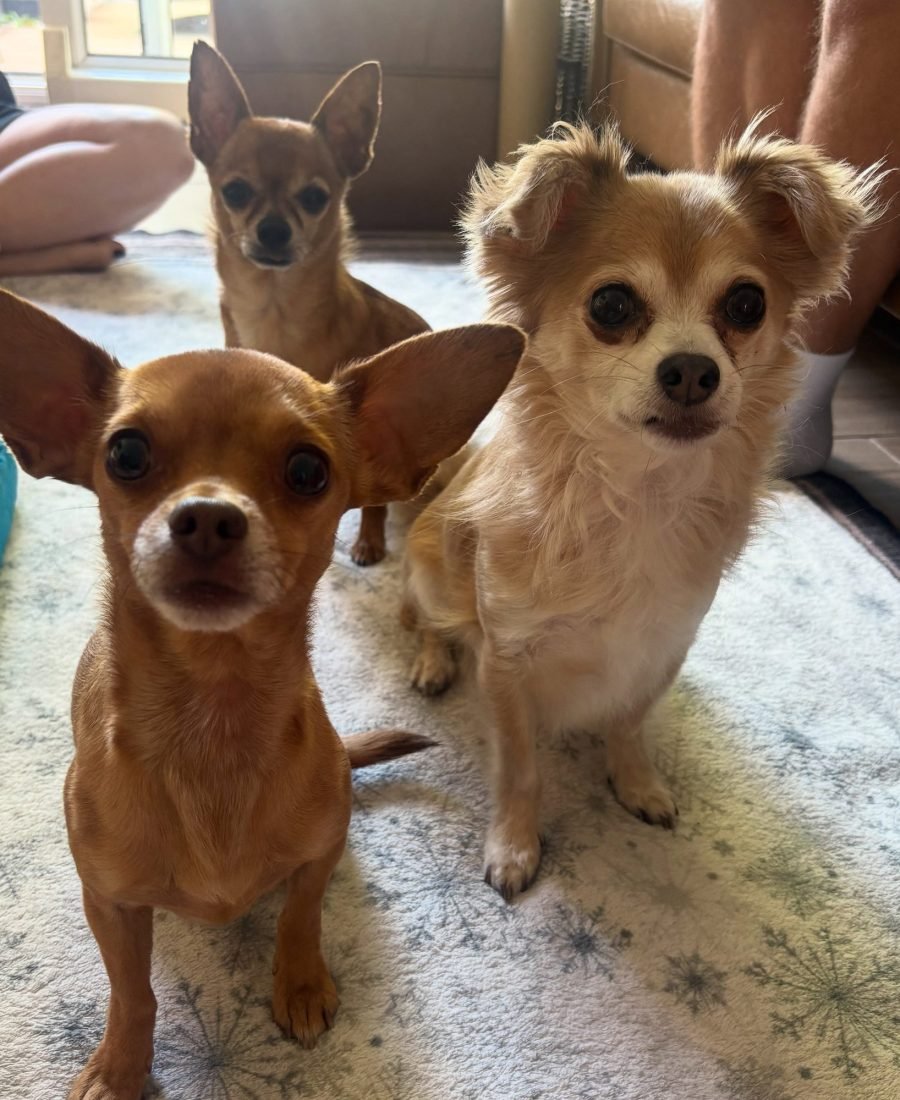
Cats and small animals
Gentle, low-stress sessions for cats, rabbits and other small patients, usually best seen at home.
Your first appointment
What to expect
01
History
We talk through your animal’s history, their vet notes and what you have noticed at home.
02
Assessment
I watch how they stand and move, then check muscles, joints and range of motion.
03
Treatment
Hands-on treatment and any therapies that suit them, explained as we go.
04
Your plan
You leave with a clear plan and home exercises, sent by email, simple to follow.
Get in touch
Not sure if physio could help?
Tell me a little about your animal. I will let you know honestly whether physiotherapy is the right next step, and help arrange your vet’s consent if it is.